Peat moss is plant material that has accumulated and decomposed slowly in peatlands. Gardeners use it in seed-starting and container mixes because it can hold substantial moisture. The right mix depends on the plant, container and climate; peat on its own does not guarantee healthy roots.
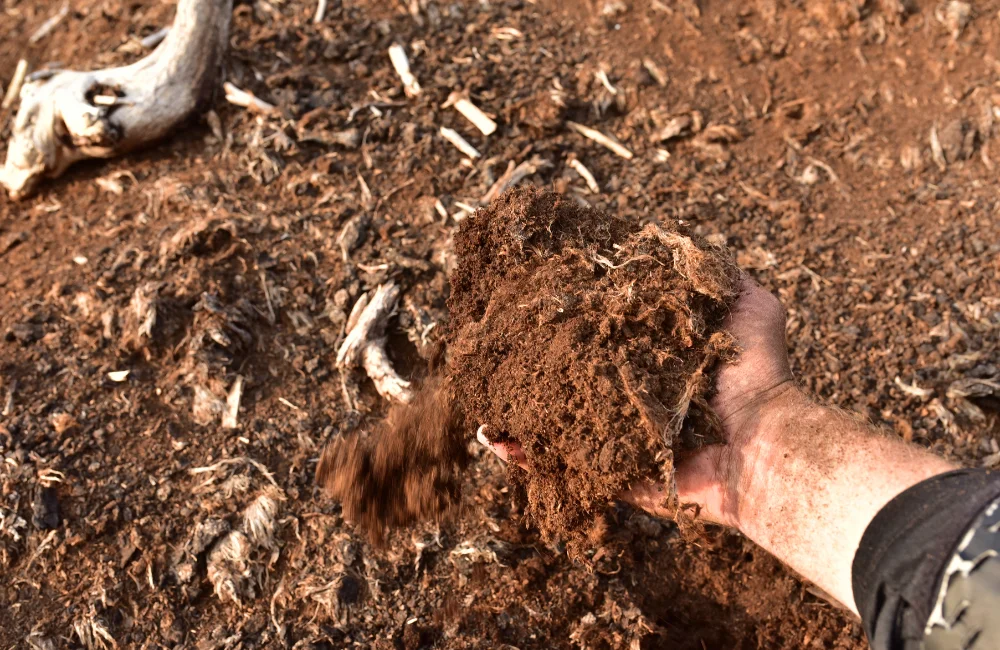
What peat contributes
Sphagnum peat is light and water retentive. In a well-designed mix it can help keep water available between irrigations. Other ingredients such as perlite, bark or compost may be included to balance air space, drainage and nutrition. A peat-heavy mixture can stay wet for too long in a container or rainy site, while peat allowed to dry completely may be slow to wet again.
Peat itself supplies little plant nutrition. It is usually acidic, but a bagged mix may already contain lime or other amendments. Check the product and the finished mix rather than assuming a single pH or adding lime by habit. See the separate soil pH guide before changing a growing medium’s pH.
White, brown and black peat
White, brown and black peat are trade descriptions associated with different degrees of decomposition and texture. Terminology varies by supplier.
- White peat: typically lighter, less decomposed and more fibrous.
- Brown peat: an intermediate degree of decomposition and texture.
- Black peat: more decomposed and often denser.
Look at the actual product specification and the role it will play in the complete mix.
Using peat for seedlings, pots and olive trees
For seed starting, use a suitable seed mix with moisture and air space appropriate to the crop. For long-term containers, choose a complete medium that also supports drainage and nutrient management. Test a small amount of unfamiliar mix before relying on it for valuable plants.
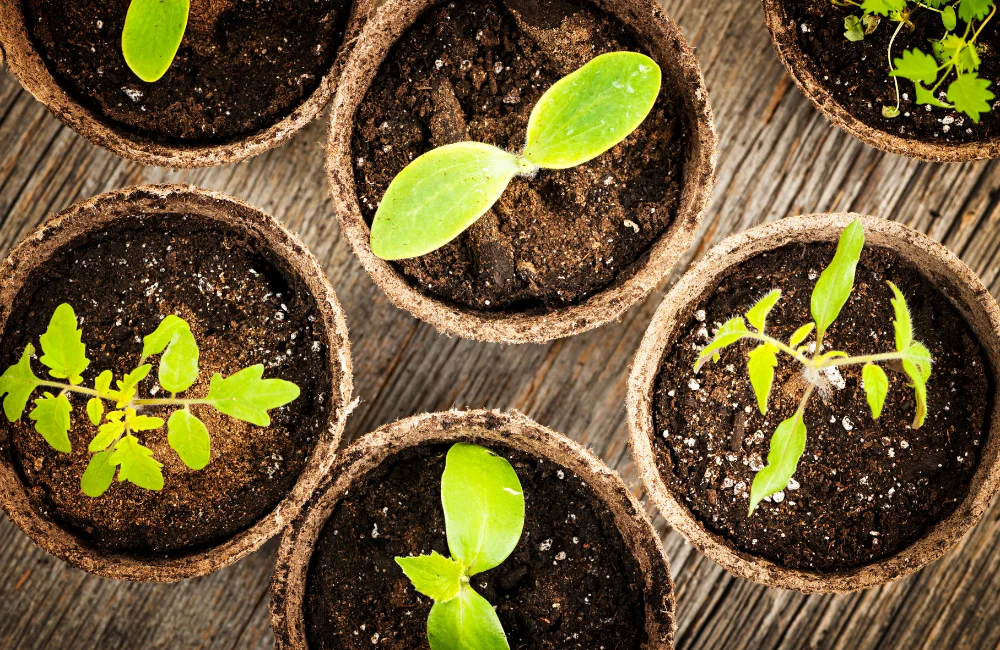
For in-ground planting, assess the existing soil and drainage before adding a water-retentive amendment; a container recipe should not be applied automatically to a planting bed.
For an olive tree, treat peat as a possible component rather than a standard recipe. Confirm that excess water can leave the container or planting area, and assess moisture in the root zone before watering. There is no universal peat percentage that will make a site drain well. Read the companion guides on perlite and choosing soil for olive trees.
Frequently asked questions
Can I use peat alone?
A specialist seed-starting medium may contain a high proportion of peat, but a long-term container needs the right balance of air, drainage and nutrition for its plant. Do not assume straight peat suits every tree.
Can peat be included in an olive-tree mix?
It can be considered as one ingredient, provided the overall medium and container drain appropriately. Check the actual tree and site rather than following a fixed ratio.
Can used peat be reused?
Inspect its condition and the history of the previous crop. If pests or disease are suspected, use clean new media for sensitive seedlings. Reused material may have changed structure and should not be treated as equivalent to a fresh mix.