Buying an olive tree is a considered decision. Start with the individual tree: its trunk size and form, branch structure, condition and how it fits your space. Then ask what preparation, transport, planting and aftercare are included. These details help you compare the overall value of different trees.
At Olive De Casa, we believe the right tree is the one whose form, size, condition and support fit the home, garden or project—not necessarily the oldest or most expensive one.
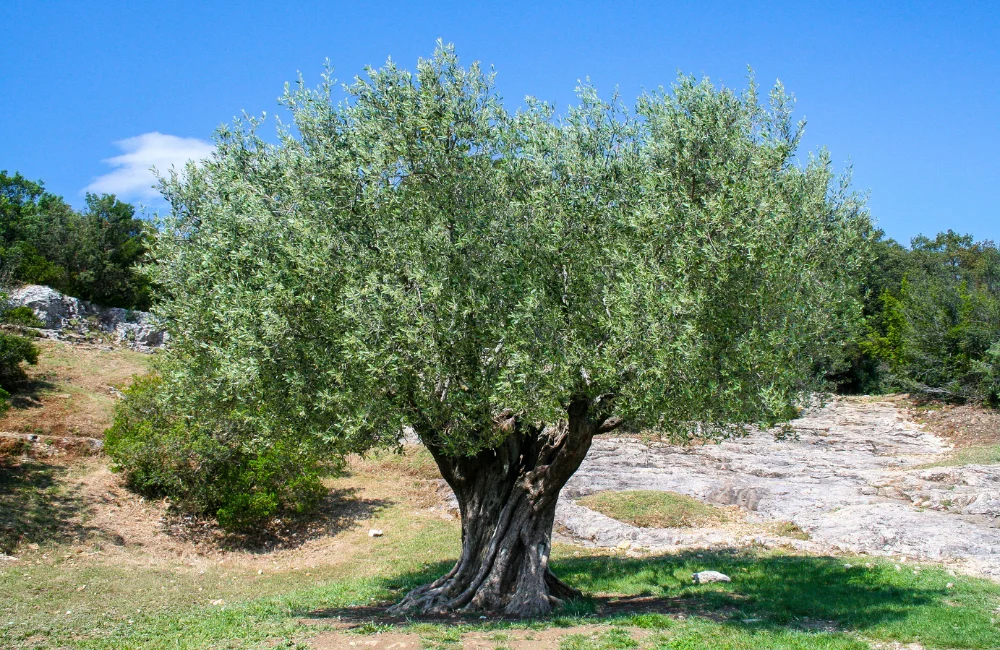
What shapes an olive tree’s value?
Each old olive tree has a form built over time. Grooves, twists, hollows and the texture of its trunk give it an individual character that cannot be produced in a few years. A mature tree’s shape can make it a distinctive focal point in a garden.
Age is one part of the story, but it does not tell you everything. Olive trees grow at different rates, and climate and soil can affect their size and form. Compare the tree itself, including its health and structure, rather than relying on a single label.
The work needed to prepare a tree for its new site also matters. Ask about acclimatization, the condition of the leaves, branches and roots, delivery and planting, and what care guidance is available after it arrives. A tree prepared for a new location may involve more work before delivery than one that has only recently arrived.
Meaning and legacy
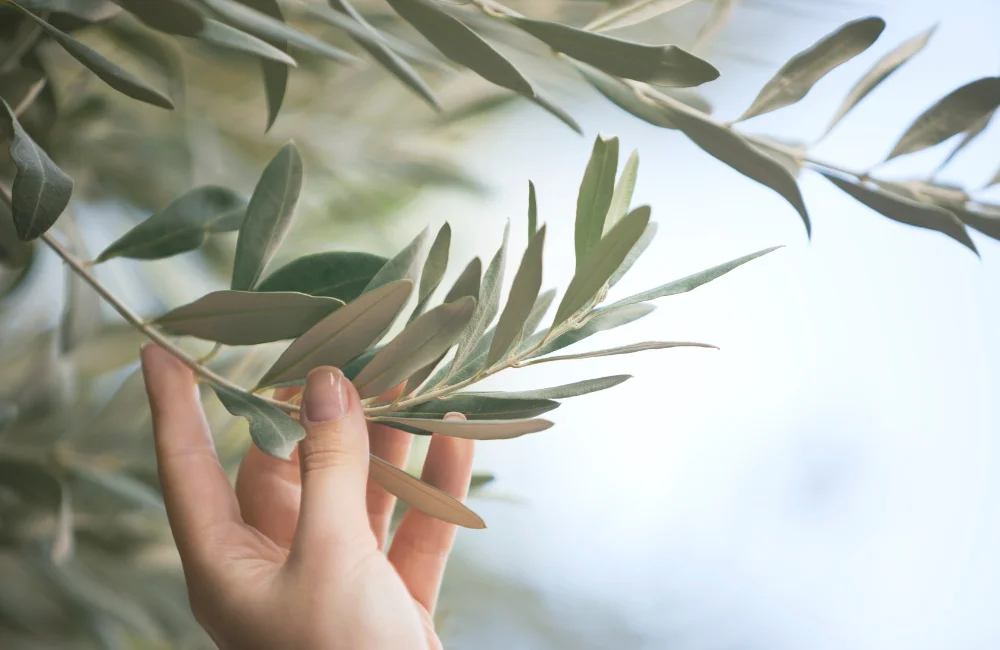
Across cultures, olive trees have been associated with long life, wisdom, peace and abundance. Their fruit and oil have also formed part of daily life and cultural traditions. These stories can add meaning for someone choosing an olive tree for a home or business.
In Greek tradition, the olive tree is associated with Athena and with wisdom and prosperity. Olive leaves have also been used as symbols of victory, honour and peace. Today, some people choose an olive tree for its cultural associations; others are drawn to the character of a particular tree.
Care is part of the decision
Before choosing a tree, consider where it will grow and what care the site can support. Olive trees need a sunny position and growing conditions suited to the individual plant. For the tree you are considering, discuss its site, drainage and aftercare with the team before arranging delivery.
The tree’s price is only one part of the decision. It also helps to understand what is included in the listing and whether the tree’s size and form suit the site.
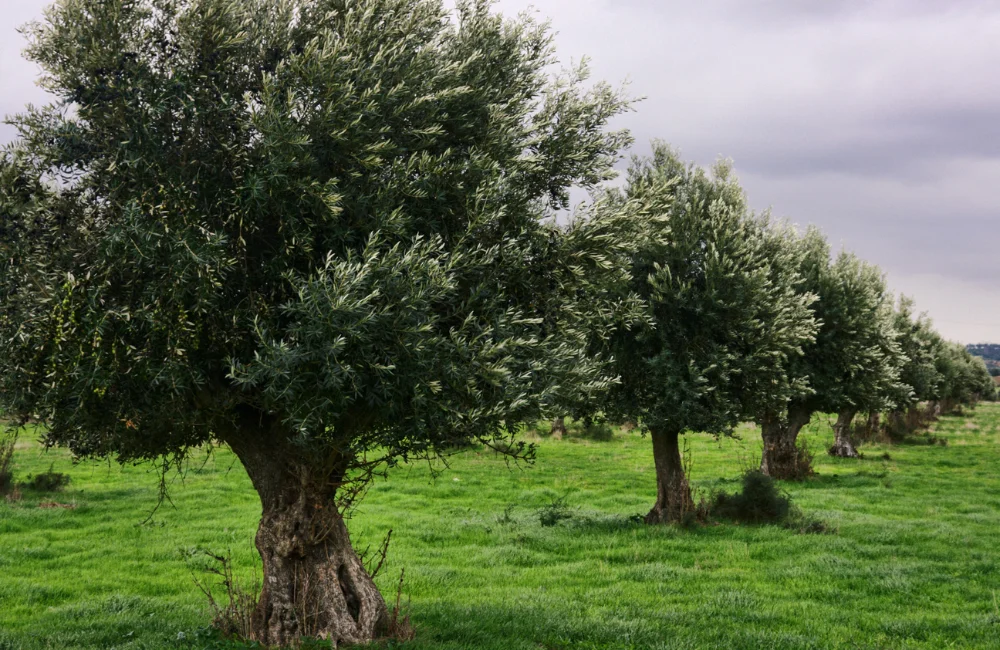
Explore the olive tree catalog.
Frequently asked questions
Are olive trees really immortal?
“Immortal” is a figure of speech; the lifespan of an individual tree varies. Ask about the condition and care needs of the specific tree you are considering.
Which direction is considered auspicious for planting an olive tree in feng shui?
In some feng shui traditions, the southeast is associated with wealth and financial good fortune, while the east is associated with health, strength and family harmony. These are cultural beliefs, not horticultural guidance.
How much does an olive tree cost, and which varieties are popular?
There is no single price for every olive tree. Value depends on the individual tree’s age, trunk size and branching, condition, and the preparation and services included. Check the current catalog or ask the team for the current price and availability of a specific tree. Hojiblanca is one of the varieties featured in our olive-tree guides; see the current catalog for available trees.