A Japanese-inspired garden can use a small number of well-placed elements to create rhythm and room to pause. Simplicity, natural forms and weathered materials can guide the design, while every plant and water feature should suit the actual space, climate and maintenance capacity. A warm-climate garden need not copy a garden in a cooler region plant for plant. For another approach to a restrained outdoor composition, see our Mediterranean garden design guide.
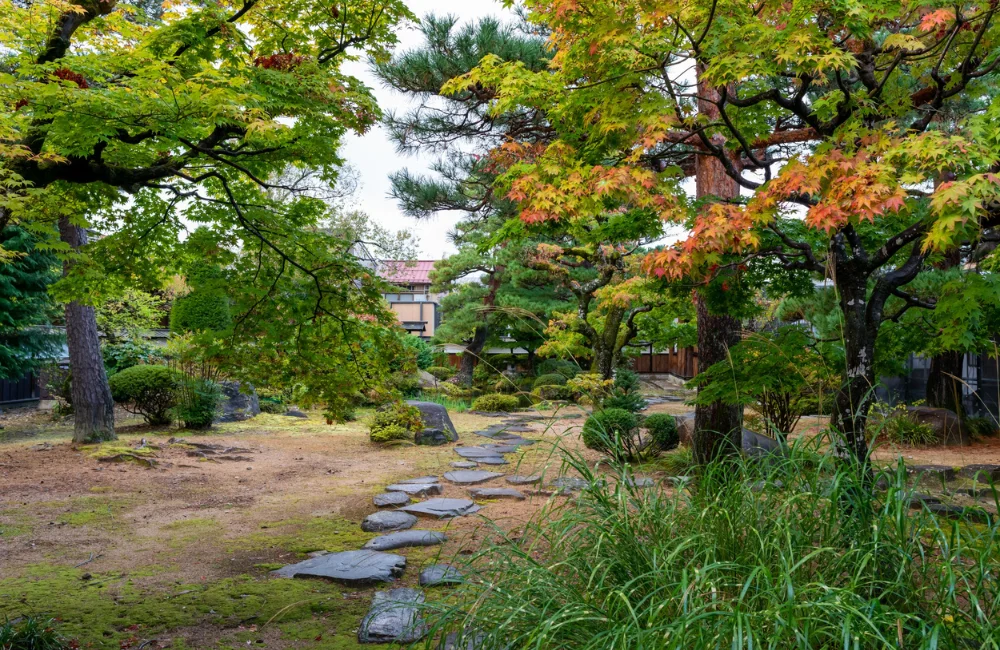
Three ideas behind the composition
Simplicity (kanso). Give each path, stone and plant a purpose. Leave enough open space to see the shape of a focal tree.
A landscape in miniature. Stone, gravel, planting and water can suggest mountains, shorelines or a stream. An asymmetrical arrangement may feel more natural than a rigid row.
The beauty of age (wabi-sabi). Allow the texture of bark, stone and weathered surfaces to add character. This is a design interpretation, not a promise that any particular object or plant produces a spiritual effect.
Build from stone, water and planting
Choose stone and gravel for their scale, texture and drainage, while keeping walking surfaces stable. Water might be a small basin or a simple focal detail; a pond is optional and brings cleaning, circulation and safety needs. A restrained planting palette can make seasonal change or one unusual tree more noticeable. Lanterns, bamboo screens or stepping stones may work when they serve the layout rather than crowd it.
Five plant forms to consider
- Olive tree. An old-looking trunk and silver-green foliage can serve as a sculptural focal point in a contemporary, Japanese-inspired setting. It is an intentional stylistic blend, not a claim that olive is a traditional Japanese garden species. Confirm light and drainage for the actual specimen.
- Japanese pine. A shaped pine can define the silhouette of the garden. Identify the exact species or cultivar and discuss local heat, humidity and pruning before choosing one.
- Bamboo. Vertical stems can form a light screen. Choose an appropriate type and account for its mature spread, containment and maintenance.
- Japanese maple. Delicate foliage and seasonal colour are visually appealing, but local heat and humidity may make a particular variety unsuitable. Treat it as an inspiration option subject to specialist site advice.
- Willow. Drooping branches can soften a waterside scene. Its eventual size and water needs must suit the site; do not place it near structures simply for the desired look.
Make the design fit your home
Sketch the view from the main window, a clear walking route and one focal point. The style can work beside different kinds of home when the materials and scale suit the building. Compare mature plant sizes with the site, then check sun, drainage, buried services and access for care. Mix heights carefully without blocking circulation. A compact garden can use one small tree, gravel and a stone basin; it does not require a pond or all five plants.
Frequently asked questions
Can a small space use this style?
Yes. Start with a clear path and one focal element, then choose plants that fit when mature.
Must there be a pond?
No. Stone, a dry stream or a modest basin can suggest water without constructing a pond.
Will every suggested plant suit my climate?
No. Check the precise species and local microclimate; avoid assuming a maple or pine will thrive outdoors everywhere.
Should I build it myself?
A simple container composition may be manageable. Seek a landscape professional for drainage works, structural stone, a pond or large tree placement.