Yellow leaves or wilting in wet soil can signal trouble below ground, but they do not identify a single disease. Look for signs associated with root damage and inspect growing conditions before taking action.
What is root rot?
Roots can be damaged when a growing medium remains saturated and oxygen is limited. Root and crown disease organisms, including some species of Phytophthora, can also be involved. The cause matters because a watering problem, physical root damage and a pathogen may require different responses. The UC IPM olive guide stresses drainage and diagnosis when Phytophthora is suspected.
Signs to look for
Possible signs include yellowing or wilting leaves, persistently wet or sour-smelling soil, soft tissue near the base and dark or mushy roots. None proves root rot on its own. Soil that stays wet after watering, blocked pot holes or standing water are especially important clues.
Common conditions behind the problem
Frequent watering, compacted soil, an undrained pot or saucer, a poorly drained planting bed and low light can leave roots wet for too long. Reused soil and tools may also move some pathogens between plants. Check the whole planting situation rather than treating one symptom in isolation.
Five practical next steps
1. Inspect the planting situation
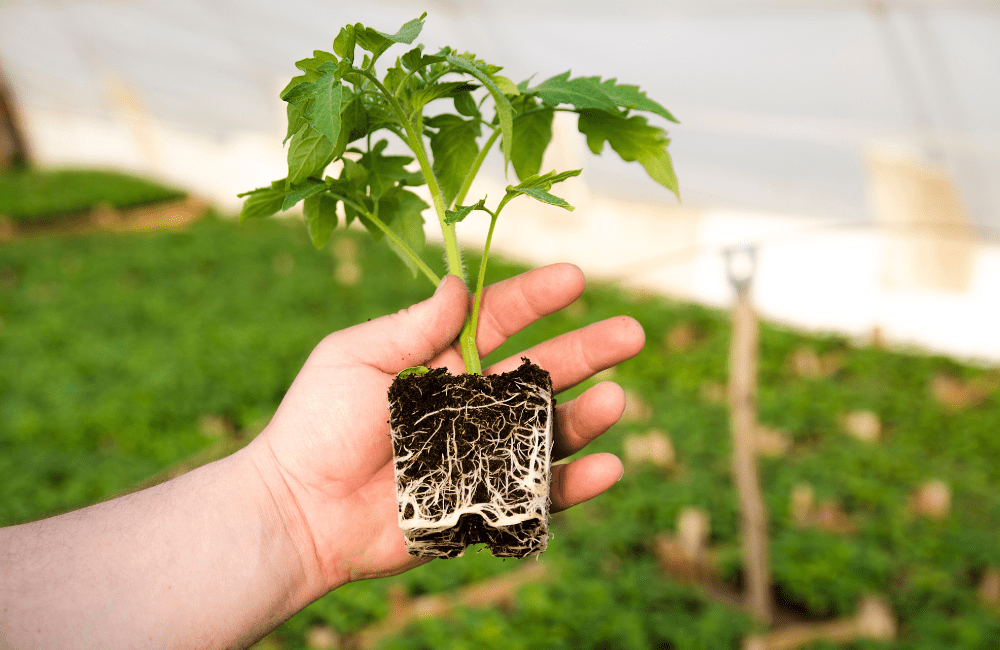
Check moisture, drainage holes, saucers and recent rainfall. For a movable potted plant, carefully inspect the root ball when appropriate. Do not lift a large established tree without a qualified team.
2. Assess damaged roots
If repotting is appropriate, remove clearly dead or mushy material with clean tools, preserving as many healthy roots as possible. Extensive damage needs professional assessment.
3. Correct the growing medium and drainage
Choose a suitable medium and a container or bed that drains. A new mix cannot help if water still has nowhere to go.
4. Diagnose before using a treatment product
No one chemical or biological treatment fits every cause. Use only a product labeled for the diagnosed problem and location, following local directions or professional advice.
5. Reset the watering routine
Water according to the plant, pot, weather and actual moisture, then monitor for new growth. Recovery is possible in some cases, but cannot be guaranteed.
Reduce future risk
Keep the root zone well drained, empty standing water from saucers, and check moisture before watering. Give each plant the light and airflow it needs. Clean tools between plants when disease is suspected. Reassess a declining tree early rather than repeatedly adding water because leaves look wilted.
Frequently asked questions
Can a plant recover?
Sometimes, if enough healthy roots remain and the underlying cause is corrected. A severely affected tree may not recover; seek a diagnosis before assuming a treatment will work.
Does watering every day cause root rot?
A daily schedule is not automatically right or wrong. The risk rises when the medium stays saturated and roots lack air; check the plant and soil rather than following a fixed calendar.
Can it spread to nearby plants?
Some pathogens can move in contaminated water, soil, containers or tools. Other root problems are not infectious. Confirm the cause and avoid moving suspect soil between plants.
Related: Choosing soil for olive trees and Rainy-season care.